Ever had to run digital ads and wish you only paid when they actually performed? Performance marketing is the solution. Ultimately, understanding what is performance marketing empowers you to make informed decisions that drive results.
As you explore further, don’t hesitate to ask: What is performance marketing in your unique context? In conclusion, the essence of performance marketing lies in its focus on measurable outcomes. So, what is performance marketing? It’s a method that ensures you pay only for the results you achieve when you ask, ‘What is Performance Marketing?’
Businesses today want marketing that’s simple to measure, track, and optimize. Performance marketing is all about that. So what exactly is performance marketing, and why should businesses of all sizes care? Let’s find out.
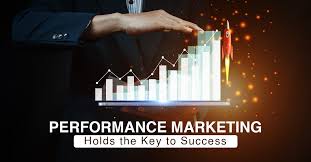
What is Performance Marketing?
This form of advertising leads to questions like, ‘What is Performance Marketing?’ as it transforms traditional ad spending into measurable results.
Performance marketing is an online marketing form in which you pay only after an action is taken. The action may be a click, lead, sale, download, or any other quantifiable outcome.
Old-fashioned advertisements force you to pay in advance for space or views. With performance marketing, you pay for results; it’s a more effective method to advertise online.
Understanding what is performance marketing allows businesses to create effective partnerships and campaigns.
How Does Performance Marketing Work?
Performance marketing is based on a collaboration between advertisers (the company launching campaigns) and publishers or partners (the websites or affiliates selling the ads).
Step 1: Set Clear Goals
Each campaign begins with certainty. Companies need to determine whether they want sales, leads, app downloads, or merely traffic. Establishing this upfront makes it easier to measure campaign success.
Step 2: Choose the Right Channel
This approach is pivotal in answering the question, ‘What is Performance Marketing?’ through its results-driven framework.
Tracking performance is essential to understanding what is performance marketing and optimizing your investments.
Once goals are set, advertisers choose where to run campaigns. For instance, Google Ads works best for search intent, and Facebook or Instagram for brand visibility.
In 2025, knowing what is performance marketing can set your business apart in an increasingly competitive landscape.
Step 3: Pay for Results Only
Advertisers only pay when a specific action happens, such as a click, a signup, or a purchase. This helps avoid wasting money on ads that don’t work.
Step 4: Track and Optimize
As you delve deeper into your strategies, you might wonder, ‘What is Performance Marketing?’ and how it can drive your success.
Through the use of analytics, companies track results in real time. Performance can be adjusted in real time to enhance ROI and performance.
Why Performance Marketing is Important in 2025
With the digital landscape growing more competitive, businesses need full accountability for every marketing dollar. Performance marketing meets this need by tying budgets directly to measurable results.
- Cost Efficiency: You pay only for results, ensuring every penny drives real outcomes instead of wasted impressions.
For brands, the question of what is performance marketing continues to evolve with new channels and technologies.
- Data-Driven Decisions: Every action can be measured, which helps businesses improve their campaigns using real data.
- Scalability: Successful campaigns can be scaled quickly across various platforms to reach a broader audience. Low Risk – Because payment is linked to performance, businesses can minimize risk compared to traditional ads.
Leading agencies like TitanGrowth say performance marketing helps brands stretch budgets further while maintaining strong ROI.
The Main Channels of Performance Marketing
Performance advertising operates on several digital platforms. These are the most prevalent ones:
1. Affiliate Marketing
This is especially true as we explore what is performance marketing in the context of social media advertising.
In affiliate marketing, companies collaborate with affiliates—such as bloggers or influencers—who market products. Affiliates get paid only when they drive results, which makes this a low-cost method for advertisers.
Native advertising also plays a role in what is performance marketing, helping to blend promotional content seamlessly.
2. Search Engine Marketing (SEM)
By means of platforms such as Google Ads, companies bid on keywords related to their business. People pay (PPC) only when users click through their ads, which makes it efficient for grabbing intent-based traffic.
3. Social Media Advertising
Social media sites provide highly targeted advertisement options. Companies can pay per click, impression, or conversion, which makes it flexible for varying objectives like brand awareness or straight sales.
4. Native Advertising
Native advertising shows up naturally in the content of websites, usually in the form of suggested articles or sponsored content. They are less obtrusive and will likely result in greater engagement rates.
5. Influencer Marketing
Rather than compensating influencers for reach in and of itself, performance influencer marketing pays them for outcomes like sales or clicks. This holds influencer partnerships accountable.
Key Metrics in Performance Marketing
In order to grasp performance marketing, you must be familiar with the correct metrics. These metrics assist companies in measuring the success of a campaign.
- CPC (Cost Per Click) – What you pay for every click. Best for generating traffic to websites or landing pages.
- CPA (Cost Per Acquisition) – What it costs to acquire one paying customer. This assists in calculating profitability.
- CPL (Cost Per Lead) – The amount paid per new lead. Good for service companies and B2B.
- CPM (Cost Per Mille) – Cost per 1,000 impressions of an ad. Commonly used in awareness campaigns.
- ROAS (Return on Ad Spend) – Income generated in relation to advertising spent. An important profitability indicator.
Advantages of Performance Marketing
There are numerous advantages to performance marketing that benefit businesses of all sizes.
- Budget Control – Advertisers control what they pay per action, having total control over budgets.
- Measurable results:– Amazing results are delivered as every click, lead, or conversion is tracked, providing clear insight into success. More Profit – Paying for Results Equals More Profit.
- Agility – Campaigns can be modified, paused, or expanded in seconds.
- Clarity – Immediate access to data ensures it is easy to identify what works and where to optimize.
Performance Marketing Challenges
Successful performance marketing is not without some issues to handle.
- Ad Fatigue – Audiences will lose interest if they see the same ads repeatedly, so creative rewrites are essential.
- Fraud – Click fraud or bogus leads can consume your budget without any actual outcome.
Overcoming challenges in performance marketing requires understanding what is performance marketing and adapting accordingly.
- Competition – Industries with more popularity have increased CPC or CPL because of intense competition.
- Tracking Complexity – Good tracking equals good tools and know-how, that’s why they use TitanGrowth by many brands.
Performance Marketing Best Practices
To be successful with performance marketing, use these best practices:
1. Know Your KPIs
Start with clarity in your goals. Sales, leads, or conversions – you get the picture. Clarity lets you optimize.
2. Target the Right Audience
Sophisticated targeting means that the right people see your ads. From audience insights, you maximize conversions.
3. Test and Refine
To sum it up, knowing what is performance marketing is crucial for any business looking to thrive in today’s digital age.
Each step in the marketing process answers the question: what is performance marketing in practical terms?
A/B test creatives, headlines, and landing pages to optimize your approach.
4. Invest in Analytics
Analytics tools provide minute information on campaign performance. This allows you to monitor ROI at each step.
5. Work with Experts
Working with agencies like TitanGrowth means that you get the expertise, patented methodologies, and tested strategies for minimizing risk and achieving better outcomes.
Consulting with experts about what is performance marketing can greatly enhance your strategic approach
Remember to revisit the question: what is performance marketing? It’s the key to unlocking effective advertising strategies.
Read this Blog:- What is Digital Marketing